Nov 16Vote Yes for FernsSave Carlisle Center

Carlisle, Massachusetts · A new chapter for Ferns

We're working
to bring
Ferns back.

The vision is a welcoming country store and café. After four engineering reviews found no approvable on-site solution, a wastewater connection is the only viable long-term path identified for reopening.

What your YES vote means
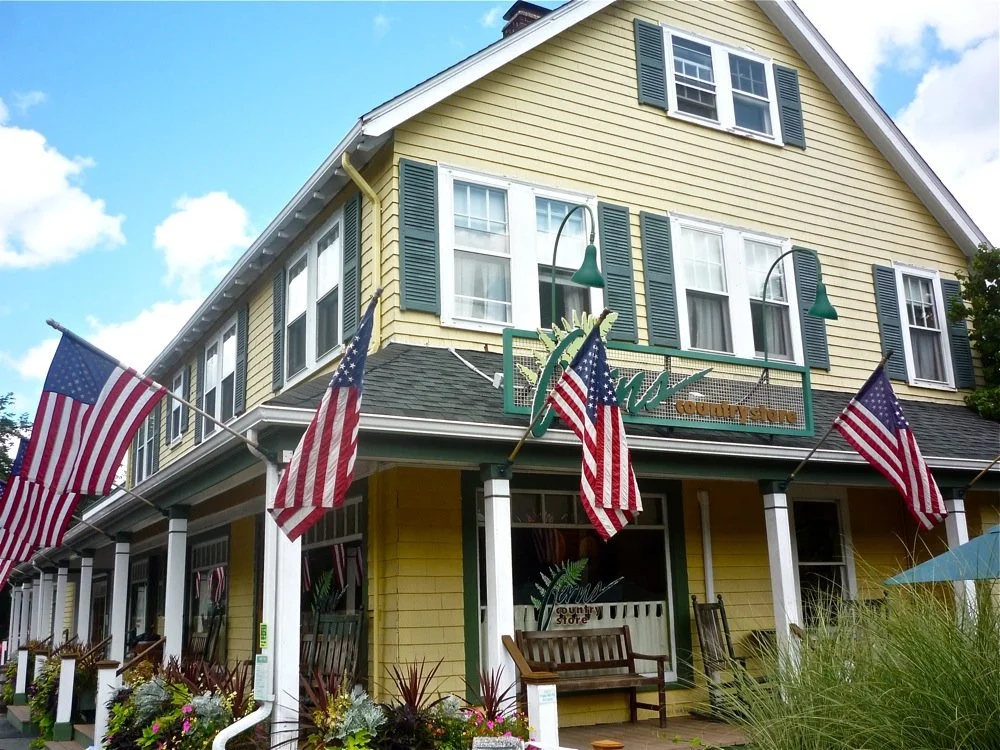
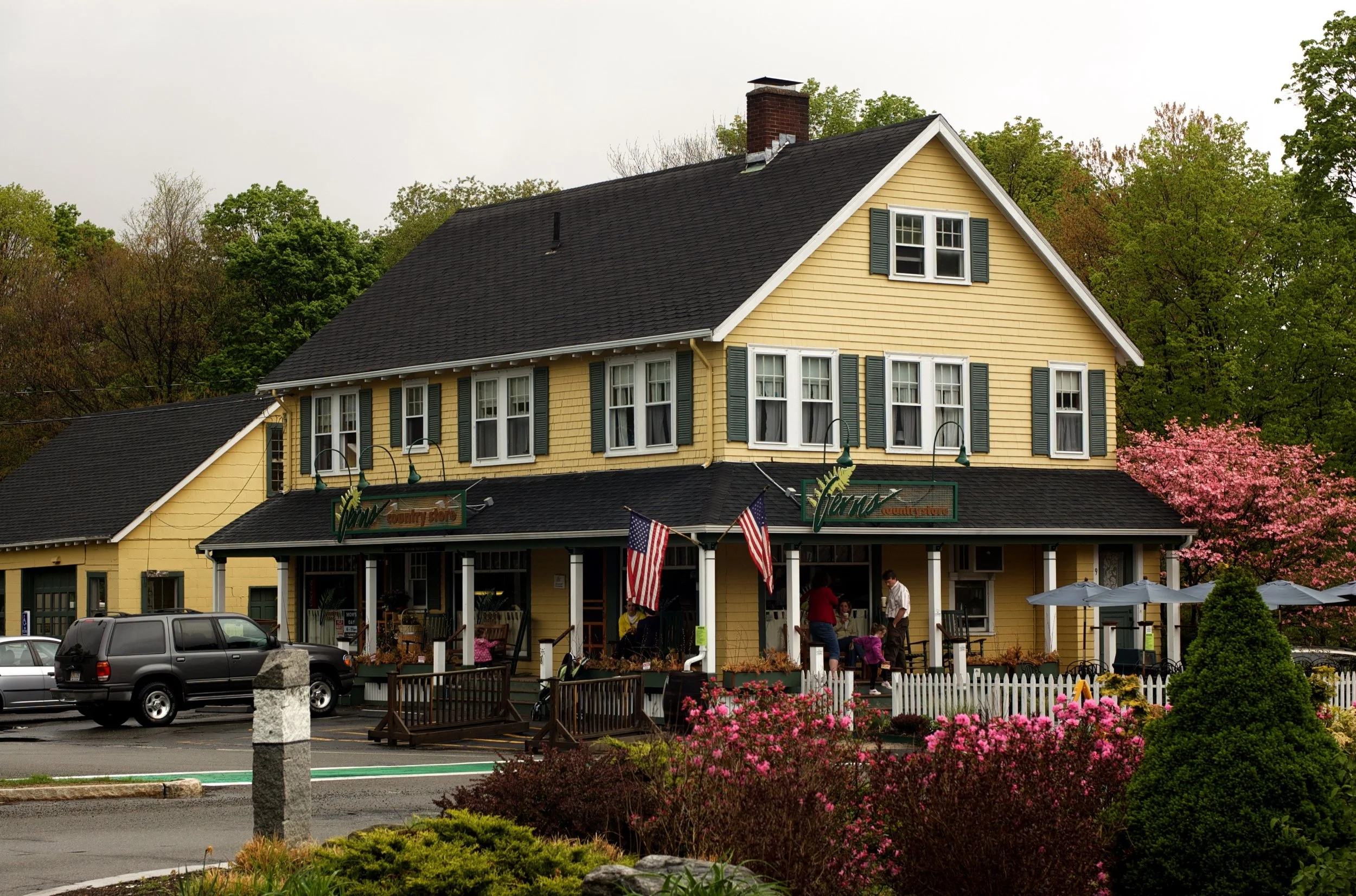
The yellow Ferns Country Store building in Carlisle

A familiar corner,
planning its next chapter.

October 2026Vote YES to advance the project on Nov. 16See the proposal

The case in four questions

Ferns pays for its own connection. Here's why Ferns needs the connection to reopen.

The current proposal is focused on designing and permitting a shared wastewater main into Carlisle Center. It does not ask the Town to pay for Ferns's private service line, work on the Ferns property, or the business itself.

01 · What's wrong with the Center?

The Center's historic lots were not built for modern wastewater rules.

Carlisle Center relies on individual wells and septic systems. On small lots, wastewater is treated and returned to the same groundwater that supplies nearby drinking-water wells. Limited land, wells, protected groundwater, and modern standards make individual septic replacement or expansion difficult.

02 · Why does Ferns need this?

Even one café seat triggers a 1,000 GPD minimum.

Under Title 5 design standards, any food establishment with seating is assigned at least 1,000 GPD, even with only one seat. Ferns's existing approval is approximately 970 GPD for the entire property, including the upstairs apartment. The intended whole-building use has a 2,145 GPD regulatory design flow.

03 · What alternatives did we explore?

Multiple engineering teams evaluated every realistic on-site path.

They considered conventional septic, advanced treatment, neighboring land, tight tanks, composting toilets, relocating the water supply, and highly restricted operations. None identified an approvable, durable on-site solution.

04 · Who pays for what?

Ferns pays for its private connection and all property work.

That includes the service line from the shared main to Ferns and all work on the Ferns property. The Town proposal is focused on the shared main into the Center and the public design and permitting work, not Ferns's private connection.

The previous operation was different: it relied on a special variance and substantial restrictions, including composting toilets and no on-site food preparation. That variance cannot simply be assumed to continue or be reissued for a new owner and operation.

The November 16 decision: fund design and permitting for the shared main into Carlisle Center. It does not authorize construction, approve a restaurant, or create a broader sewer district.

Read the engineering memo

November 16 · Special Town Meeting

A YES vote helps move the full project forward.

The November 16 vote would fund design and permitting for a shared wastewater main into Carlisle Center. Construction would return for a separate Town vote in early 2027, after engineering and permitting provide a clearer route, scope, and cost.

Nov. 16 vote · Design & permitting

$225,000–$300,000

Plans, site evaluations, permitting, up to two grant applications, and bid-and-award support for the shared main into Carlisle Center.

Early 2027 vote · Construction

$460,000–$1.1 million

Construction, construction administration, and police details. The $1.1 million high-end estimate has been described as the absolute worst-case construction scenario. Final cost depends on the selected route, site evaluations, permitting, available grants, and actual bids.

Feasibility finding

Capacity confirmed.

The study confirms the Banta Davis facility can support the proposed Ferns connection while protecting the Carlisle School's current and future wastewater needs first.

Permitted facility capacity
~13,500 GPD
Current heavier-use flow
~3,000–4,000 GPD
Ferns design flow
2,145 GPD
Combined projected use
~5,145–6,145 GPD

That is approximately 7,355–8,355 GPD below the facility's permitted capacity before reserving for future school needs and operating requirements.

Estimated total project scope$685,000–$1.4 millionThe $1.4 million figure represents the absolute worst-case scenario. Final construction costs will depend on site evaluations, permits, grants, and actual bids.

Already privately funded: the feasibility study.

Paid by Ferns: its private connection to the shared main, plus all Ferns building and site work.

Protected first: the school's current and future wastewater needs.

The public record · 1995–2026

This problem did not begin with Ferns.

Town plans, public minutes, and agency records have returned to the same constraints for decades: small lots, difficult geology, vulnerable wells, and limited wastewater options.

Read the documented history
Scroll through the record
2024
“Carlisle is one of the most difficult towns in the state for siting wells and septic systems.”

Shallow bedrock, glacial till, wetlands, private wells, and on-site systems.

Board of Health meeting minutes

Quotes drawn from official Town documents and approved public meeting minutes. Meeting minutes may summarize a speaker rather than transcribe their words exactly.

Oct206 p.m.

Community Q&A · At Ferns

Come Together for Ferns

Join neighbors for a positive, plain-language conversation about what the November vote means, how the project would move forward, and how we can help bring Ferns back. Bring your questions—or send one in advance.

Share a question

The path to November 16

From engineering to a community decision.

  1. Select Board review

    Feasibility findings and the Special Town Meeting path reviewed.

  2. Warrant finalized

    Select Board scheduled to sign the Special Town Meeting warrant.

  3. Come Together for Ferns

    Community Q&A at Ferns · 6 p.m.

  4. Special Town Meeting

    Vote YES · Corey Auditorium · 83 School Street.

Shaped by Carlisle

500+ neighbors shared what Ferns means to them.

The message was beautifully consistent: bring back the morning coffee, the quick lunch, the gallon of milk—and the feeling that you've arrived somewhere you belong.

That feedback is guiding every step: rooted in Ferns' history, built for everyday life, and designed to serve Carlisle for generations.

The new Ferns

One good stop. A hundred reasons to stay.

More market and café than convenience store—easy enough for every day, special enough to become a ritual.

From the kitchen

Food worth stopping for

Coffee, baked goods, breakfast, smoothies, açaí bowls, sandwiches, bowls, pizza, and easy family meals.

On the shelves

The basics, close to home

Milk, eggs, bread, butter, pantry staples—and, of course, the candy Carlisle remembers.

Grown nearby

Local by instinct

Fresh produce and thoughtful goods from area farms, bakers, makers, and artisans.

Around the table

Room to linger

Comfortable indoor seating, expanded patios, and a welcome for families, neighbors, and cyclists.

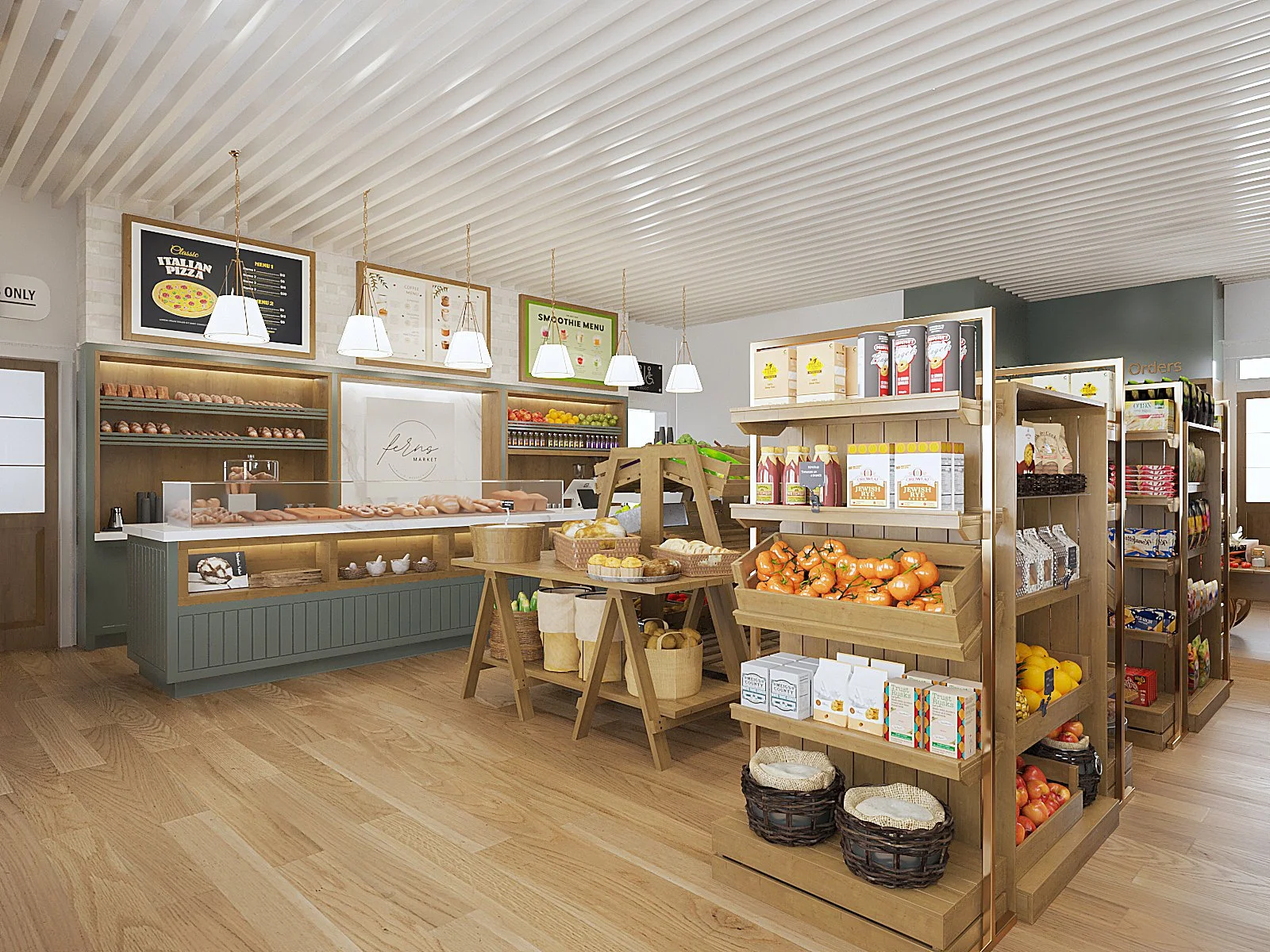
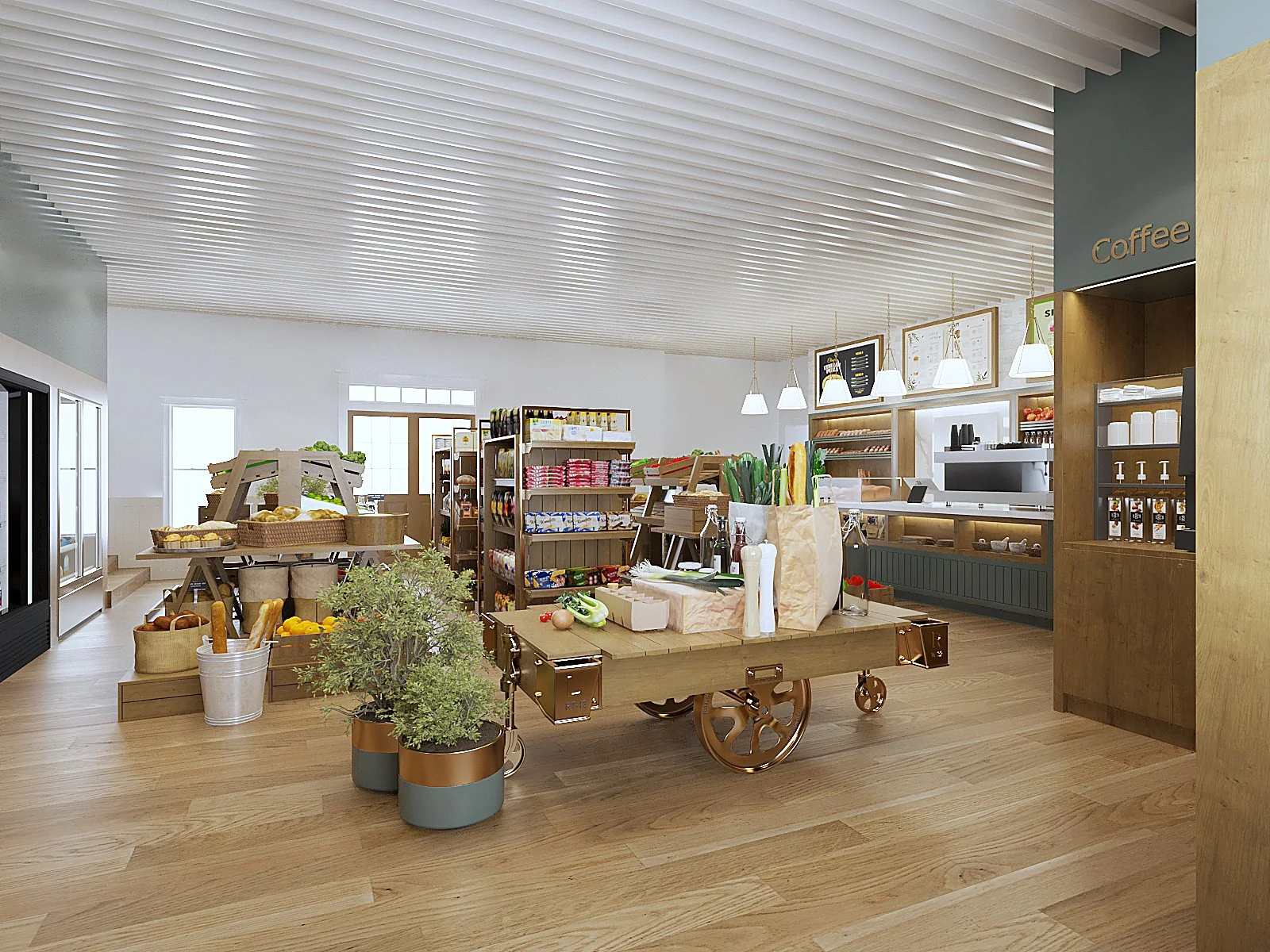
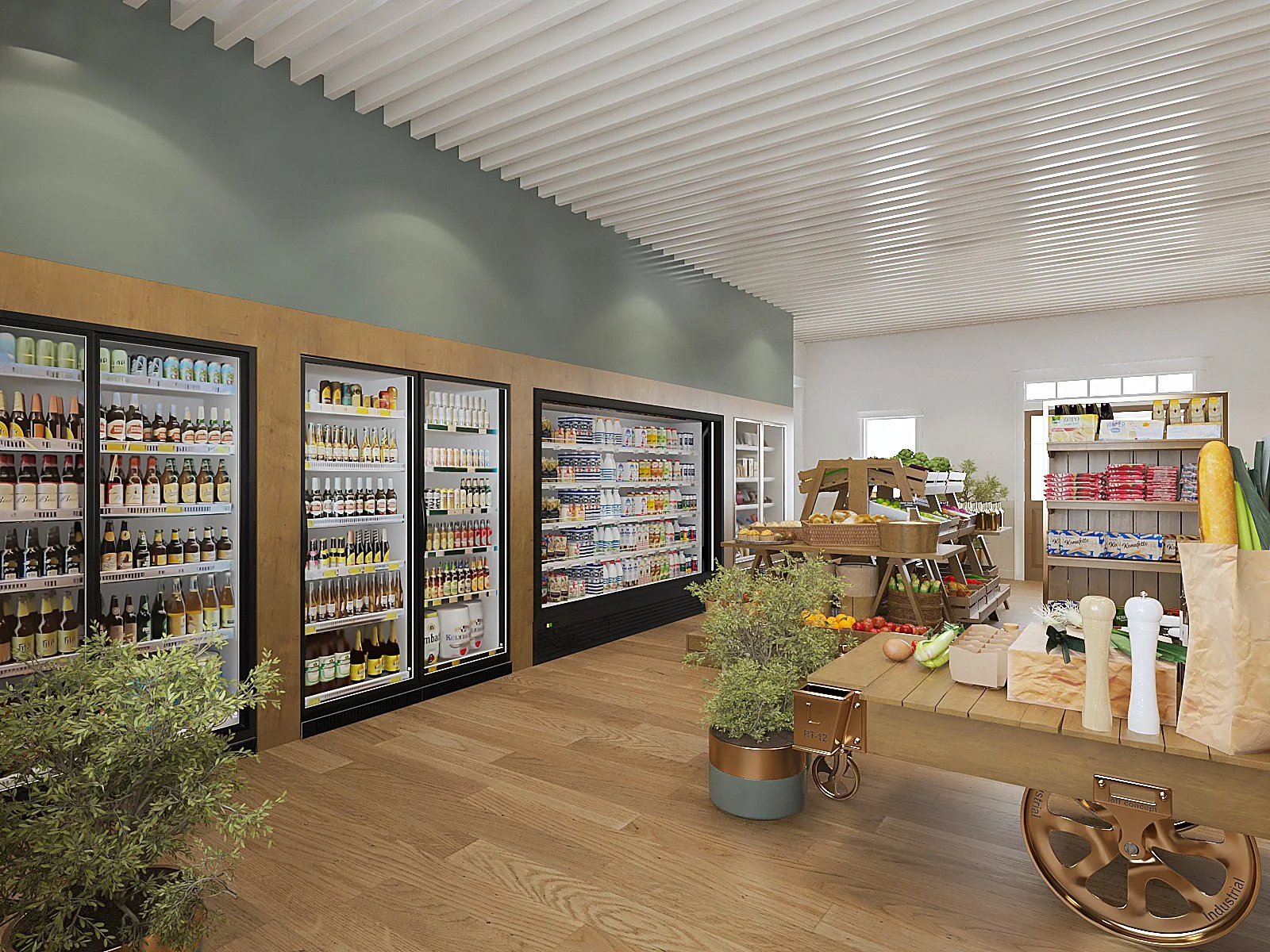
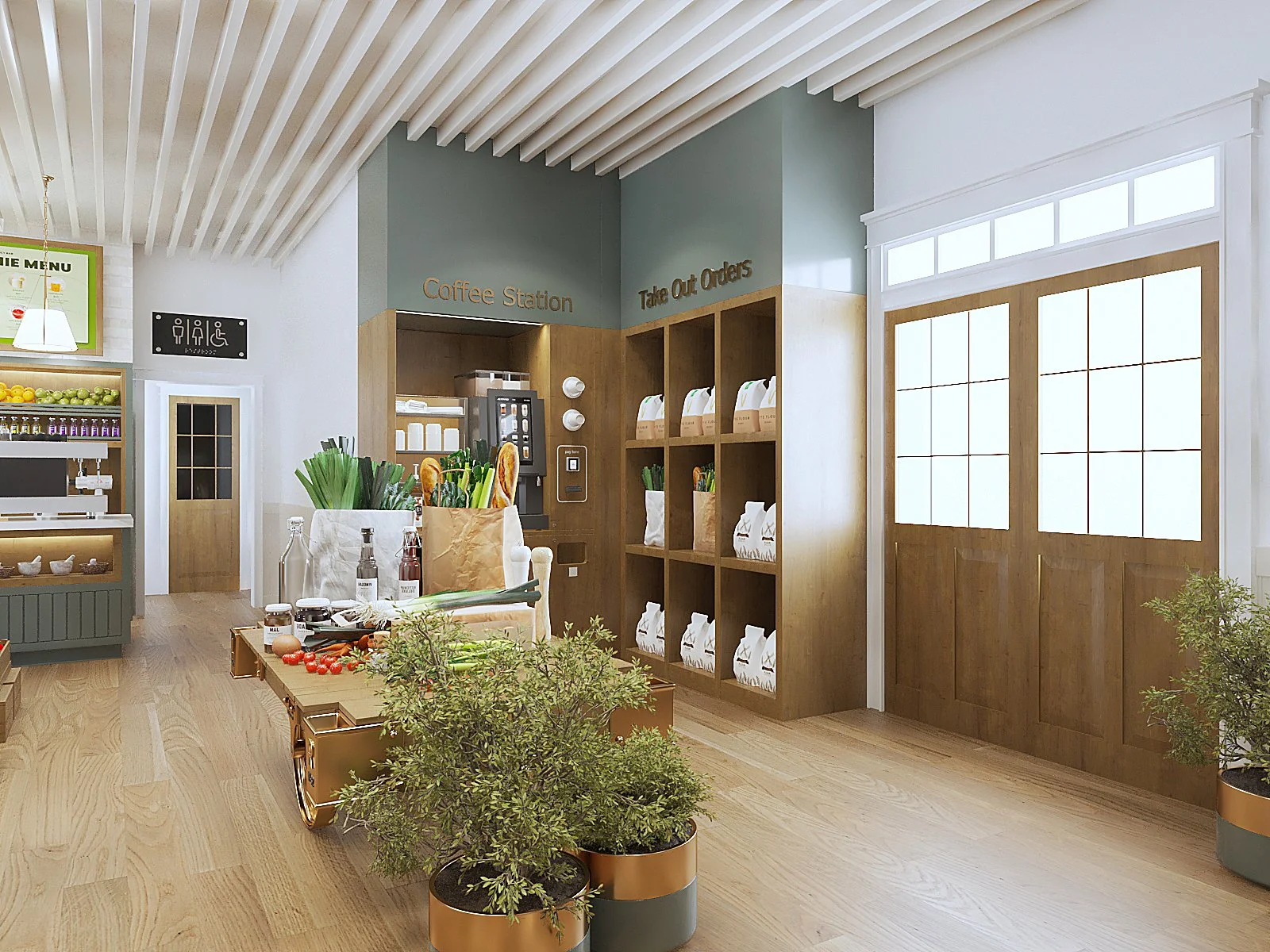
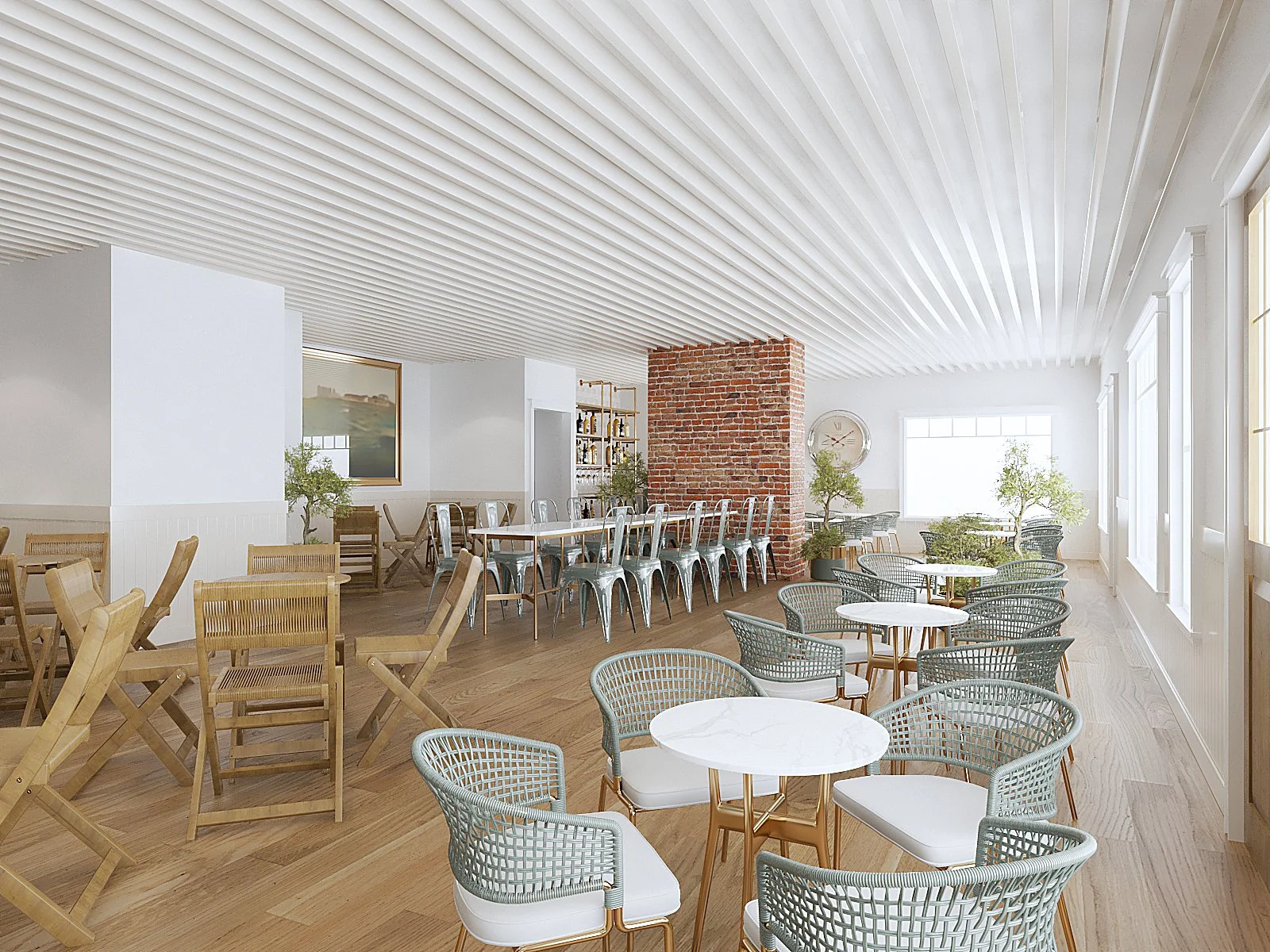
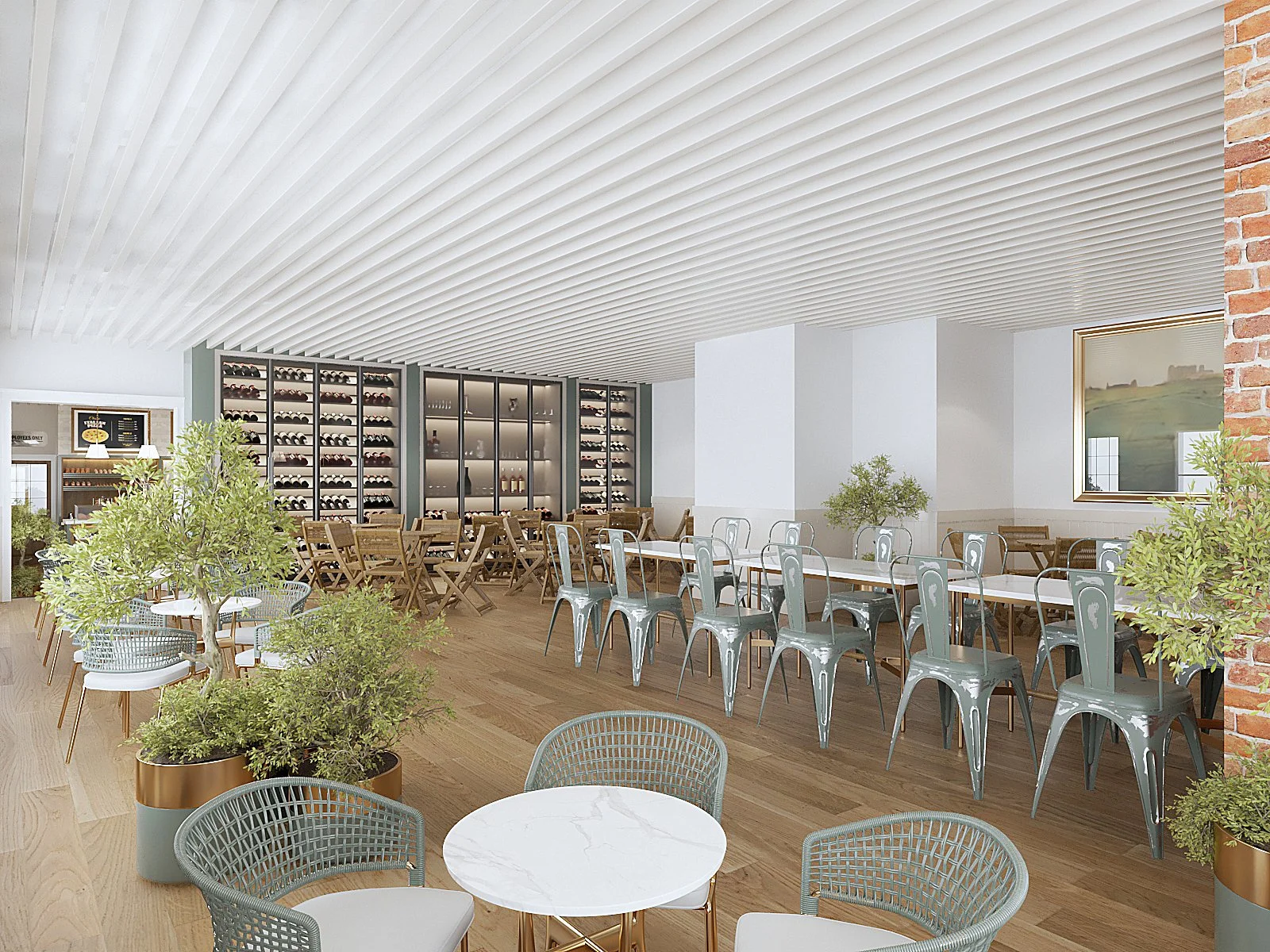
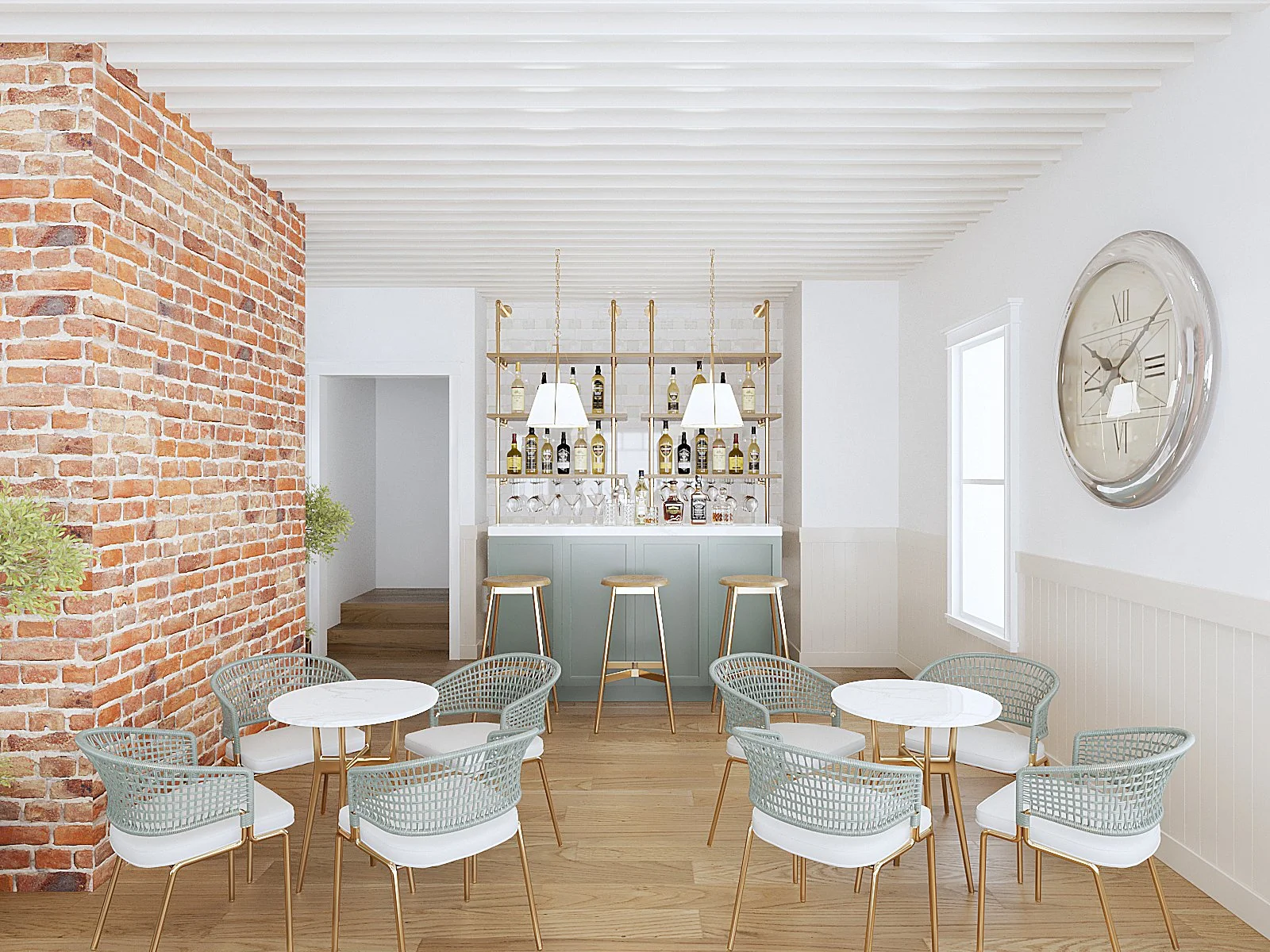
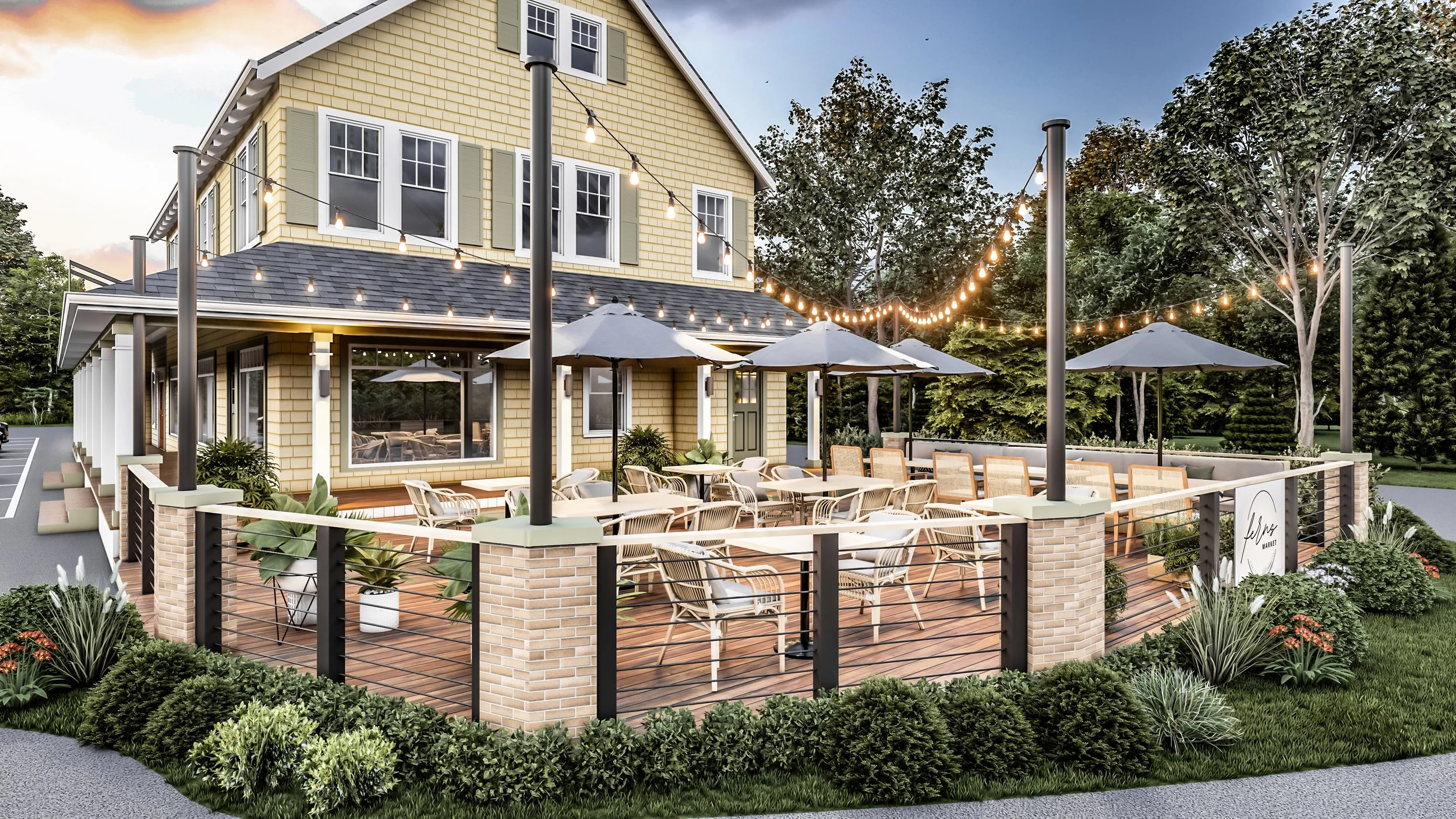
Design preview

Historic character, reimagined for everyday life.

Early concepts inspired by community feedback: a light-filled market and café, room to gather, and a renewed patio at the center of town. Scroll to explore.

Ordering & Bakery Counter
01Ordering & Bakery Counter
Market & Grocery
02Market & Grocery
Market & Refrigerated Goods
03Market & Refrigerated Goods
Take-Out Entrance
04Take-Out Entrance
Café Seating
05Café Seating
Wine Wall & Seating
06Wine Wall & Seating
Bar & Lounge Seating
07Bar & Lounge Seating
Renewed Patio
08Renewed Patio

October 2026 project update

The feasibility study confirms capacity.

Weston & Sampson has confirmed sufficient treatment capacity for the proposed connection. Engineers are now advancing potential routes for a shared wastewater main into Carlisle Center, along with the scope and cost of the next phase. Ferns privately funded this feasibility work.

*No wastewater connection or construction project has been approved. Routing, cost, permitting, operating requirements, and Town approval remain subject to detailed engineering and public review.

Completed

Environmental testing

Soil, groundwater, and indoor air have been sampled through multiple rounds of testing to understand the property's historic petroleum impacts. The overall results have been very encouraging.

Additional monitoring wells are being installed to continue that work.

Conclusion reached

On-site options

Engineers spent months evaluating conventional septic, advanced treatment, neighboring land, and other alternatives. Four firms reached the same conclusion: the site's physical and regulatory constraints leave no approvable on-site solution.

A viable long-term wastewater plan is necessary to move forward with our proposed market and café.

Capacity confirmed

The school connection

The feasibility study confirms sufficient treatment capacity. Engineering is now focused on potential routes, infrastructure needs, permitting, operating requirements, and preliminary costs for a connection to the Town's facility.

Capacity is confirmed; the route and project still require Town and regulatory approval.

Why study the school connection?

A promising option, with important questions still to answer.

The school facility has served the campus since 2006 and was originally designed with additional capacity. Weston & Sampson—the firm that designed and currently services the system—has confirmed sufficient treatment capacity for the proposed Ferns connection. Its work now turns to the route, pumping, permitting, cost, and operating details needed to move the project forward responsibly.

The current work is focused on bringing a shared wastewater main into Carlisle Center. Carlisle explored a similar Town Center concept more than a decade ago; today's work revisits that idea using current conditions and updated engineering.

Read the 2010 background

What happens next

Feasibility now. Public decisions next.

  1. 01
    Advance detailed engineering

    Build on the confirmed capacity finding, evaluate connection routes, and develop the plans, permits, and refined costs.

  2. 02
    Vote on design & permitting

    The November 16 authorization would fund design, site evaluations, permitting, grant applications, and bid-and-award support.

  3. 03
    Return for a construction vote

    Construction would return to voters in early 2027 with a clearer route, scope, cost, and picture of available grant funding.

Read the complete wastewater update
The porch and flags outside Ferns Country Store

The corner that remembers

A store has lived here for more than a century.

This corner has been a superette, gas station, post office, general store, and gathering place.

Over the years, Ferns became part of Carlisle's daily rhythm: kids choosing candy after school, cyclists refueling, neighbors catching up over coffee. The store closed in May 2025, ending one era and beginning the work of the next.

“Not just a stop for essentials—a place where everyday life happened.”

Full project context · September 2026

Understanding the Wastewater Challenge

01Why hasn't Ferns reopened?

Over the past year, we have worked with engineers, environmental consultants, MassDEP, and Town officials to understand what it would take to safely reopen Ferns. As part of our effort to purchase the property, which remains subject to an environmental lien held by MassDEP, the site has undergone a more comprehensive engineering and regulatory review than prior operations required.

That review confirmed that the existing wastewater system is substantially undersized for commercial use. Under Title 5, a restaurant with even one seat must be designed for a minimum of 1,000 gallons per day, while Ferns' existing system is approved for only 970 gallons per day. The previous operation was able to function only under special variances and significant restrictions, including composting toilets and limits intended to reduce wastewater generation. MassDEP has emphasized that our plans require a long-term wastewater solution.

Wastewater is the largest challenge, but it is not the only one: the property also requires continued environmental remediation, including groundwater cleanup as part of its long-term restoration. We have continued investing in this work because we believe the property can be responsibly restored for future generations.

Four engineering firms evaluated conventional septic systems, neighboring land, advanced treatment technologies, tight tanks, and other potential approaches. None identified an on-site wastewater solution they believed could be approved for our project.

02Why can't Ferns simply reopen with a new septic system?

We wish it were that simple. Those who read our previous update may remember that we were exploring a potential wastewater solution at Center Park. While we were hopeful, additional engineering and environmental review ultimately determined that it was not a viable solution.

Ferns sits on a very small parcel within a Zone I Wellhead Protection Area, surrounded by similarly constrained properties. Because of the site's location, every option had to protect the public drinking water supply while meeting stringent environmental requirements.

Without a sewer connection, wastewater in the Town Center is treated by individual septic systems and released through the soil back into the same groundwater system that supplies nearby drinking-water wells. That connection is why septic use is so tightly constrained here. Under Title 5, Zone II wellhead protection areas are considered nitrogen-sensitive, and new construction is generally limited to 440 gallons of design flow per day per acre. MassDEP's Zone I policy also states that Title 5 systems should be removed from Zone I areas whenever possible.

A market and café of Ferns' size requires approximately 2,145 gallons of wastewater capacity per day, while the existing system is approved for only 970 gallons per day. Engineers also determined that a compliant disposal field would require more land than is available on the property and surrounding parcels while still meeting the required setbacks from nearby drinking-water wells and other protected resources.

Unfortunately, this isn't simply a matter of installing a larger septic system. The combination of wastewater volume, limited available land, and drinking water protection requirements made it impossible for any of the four engineering teams to identify an approvable on-site wastewater solution.

03Did you look at alternative wastewater technologies?

Yes. Multiple engineering firms evaluated conventional and advanced treatment options, composting toilets, tight tanks, restroom trailers, relocating the water supply and the use of neighboring land. The problem is not limited to toilet waste. A market and café also generate commercial wastewater through food preparation, dishwashing, cleaning and other kitchen operations.

None of the on-site alternatives provided a permanent solution that could satisfy the site’s physical and regulatory constraints.

04Why not use a tight (holding) tank?

Our engineers have advised that tight tanks are strictly regulated in Massachusetts and generally treated as a last-resort response to an existing failed system that cannot be rebuilt because of lot configuration, soils, or groundwater conditions, not as a permanent way to increase a building's approved design flow. Ferns' current system is functioning but substantially undersized, so a tight tank has not been identified as a permanent solution. MassDEP has, however, indicated that it may evaluate a limited interim wastewater approach if it has a defined end point and is backed by an enforceable commitment to the permanent solution. No specific interim approach has been approved.

05Why are you studying a connection to the Carlisle School?

After months of evaluating on-site wastewater options, our engineers concluded that a connection to the Carlisle School wastewater treatment facility may be the only viable path for our proposed project. During discussions with MassDEP, the school connection emerged as the most viable remaining long-term approach. The feasibility study has now confirmed sufficient treatment capacity; detailed engineering and the necessary approvals remain ahead.

Put plainly, if a wastewater connection does not move forward, we do not currently see a path for Ferns to reopen as a market and café.

We recognize this may sound like an extraordinary solution for a small country store that has served the community for more than a century. We felt the same way when the idea was first raised. We definitely didn't set out to pursue a sewer connection. That's why we spent months exploring every realistic on-site option first. Four different engineering teams independently evaluated expanding the existing system, neighboring land, advanced wastewater treatment technologies, and other potential approaches before ultimately reaching the same conclusion.

The Town's wastewater treatment facility that currently serves the Carlisle School has existed for decades. The potential connection route is now being evaluated through the feasibility study. In fact, a 2010 Town study identified extending wastewater infrastructure into Carlisle Center as a potential long-term solution for the area's wastewater challenges.

Weston & Sampson's feasibility work has now confirmed that the facility has sufficient treatment capacity for the proposed Ferns connection while protecting the school's current and future needs. The facility is permitted for approximately 13,500 gallons per day, current heavier-use flows are approximately 3,000–4,000 gallons per day, and Ferns' whole-building design flow is 2,145 gallons per day. Engineering of the route, pumping, permitting, operations, and final design still remain.

Capacity confirmation is an important milestone, but the project still requires detailed engineering, permitting, regulatory review, funding, and Town approval before construction can move forward.

Conveying commercial wastewater from one of the most environmentally constrained properties in Carlisle to an existing wastewater treatment facility would represent a fundamentally different approach to protecting Carlisle's public drinking water supply while allowing Ferns to reopen responsibly.

06Does this mean a sewer is definitely happening?

Not yet. On November 16, residents will be asked to vote on funding for design and permitting. Construction would require a separate Town vote, expected in early 2027.

The complete project is currently estimated at $685,000–$1.4 million: $225,000–$300,000 for design and permitting, plus $460,000–$1.1 million for construction. The $1.1 million high-end estimate has been described as the absolute worst-case construction scenario. No work can proceed without the required Town authorization, engineering, permits, and regulatory review.

We privately funded the current feasibility study. Ferns would also pay for its private connection to the shared main. Any project would still require Town approval, detailed engineering, agreements, permits, and MassDEP approval. The feasibility study has confirmed sufficient treatment capacity for the proposed connection.

07Has MassDEP prevented Ferns from reopening?

No. Our experience with MassDEP has been overwhelmingly positive. They have spent countless hours working with us, our engineers, and our environmental consultants to understand the site's challenges and evaluate every reasonable path forward. Throughout this process, they have been collaborative and genuinely interested in helping identify a safe, long-term solution that protects Carlisle's public drinking water supply while returning the property to productive use.

The wastewater limitations at Ferns are long-standing and predate our involvement with the property. MassDEP has consistently worked with our engineers and environmental consultants as different concepts have been explored. Their role has been to help evaluate whether interim and permanent approaches could meet applicable public-health and environmental requirements. That review has clarified that the existing wastewater system is substantially undersized and that any interim approach would need to be tied to a firm, enforceable commitment to a permanent wastewater solution.

08Could wastewater infrastructure benefit more than just Ferns?

Potentially, yes. Although our immediate goal is simply reopening Ferns, the engineering work has highlighted broader infrastructure challenges within Carlisle Center. If future studies determine additional wastewater infrastructure is feasible, it could provide long-term benefits beyond a single property.

09If the challenges are so significant, why are you still pursuing Ferns?

Because we believe the community deserves to have Ferns reopened. If this were a financial decision, we wouldn't still be here.

Over the past year, we've invested significant time and resources into engineering, environmental investigation, and planning because we believe Ferns is an important part of Carlisle. We feel a responsibility to explore every realistic path before giving up.

What has kept us moving forward is that the environmental investigation has been encouraging. Groundwater petroleum concentrations have generally declined over time, indoor-air testing found no solvents or degreasers, and the detected compounds were well below applicable health-based thresholds. While additional work remains, those results gave us confidence that the property's environmental challenges can be responsibly addressed.

We don't know whether Ferns will ultimately reopen, but as long as there is one potential path forward, we believe it's worth continuing to explore every opportunity to make it happen.

10When will Ferns reopen?

The next public step is the November 16 Special Town Meeting vote on funding detailed design and permitting. If that work advances and the Town later commits to construction, MassDEP has indicated it will consider an interim operating approach while the permanent connection is completed.

Our hope is that restoration of the building could begin once there is a clear, approved path for permanent wastewater, rather than waiting until every portion of the wastewater infrastructure has been constructed. MassDEP indicated they would be willing to evaluate interim wastewater approaches if there is a firm, enforceable commitment to a permanent wastewater solution. Any interim approach would still require additional review and approvals from the Town, but it could provide a path for Ferns to reopen while the permanent infrastructure is being completed.

11When can we start talking about sandwiches and coffee instead of...well...poop?

Hopefully soon. We know the community is eager to get back to talking about coffee, sandwiches, and seeing neighbors again. We are too.

The feasibility study has confirmed treatment capacity, public discussions are continuing, and we are working to establish both a responsible interim framework and a clear permanent path.

Our hope is that the permanent wastewater infrastructure does not need to be fully constructed before restoring Ferns. Rather, we need confidence that there is a clear and durable path forward before investing millions of dollars into the building itself.

Once that path is established, we hope restoration of Ferns can move forward while the permanent wastewater solution continues through construction.

12How can I help?

Community support truly makes a difference.

If you want to see Ferns return, please consider submitting a letter of support. A strong showing from the community will help demonstrate to Town officials how important Ferns is to the community and the vitality of Carlisle Center.

As important decisions are made in the months ahead, we hope the community’s support, and the value of restoring Ferns as a local gathering place, market, and community asset, will be given serious consideration.

Thank you for your support and encouragement throughout this process. Please feel free to reach out with any additional questions.

The future of Ferns

Come along for
the next chapter.

Get progress notes, milestones, and the first word on what's happening at Ferns.

Follow @FernsCarlisle on Instagram